Yantras are sacred diagrams, long honoured in Indian devotional practice.
At bhagya.cards, we explain what these sacred diagrams mean and how they are traditionally used in spiritual practice. Understanding Yantras: What is a Yantra? Yantra, a Sanskrit term, translates to "instrument."
It refers to a geometric design serving as a highly efficient tool for contemplation, concentration, and meditation.
Carrying spiritual significance, Yantras are held in tradition to be a path to higher levels of consciousness. Tradition regards them as windows into the absolute, a way of turning the mind towards the divine.
Yantras and Deities
Each Yantra often focuses on a specific deity, and is kept by those who wish to honour that deity. In tradition, meditating upon a Yantra is a way of holding the associated deity in the mind. It resembles continuous mantra recitation, pairing visual concentration with vocal invocation.
At bhagya.cards, our spiritual guidance helps you choose and understand the right Yantra for your needs.
The Design of Yantras:
Symmetry and Focus:
Yantras are designed symmetrically, typically to draw the eye to the center. They can be drawn on paper, wood, metal, or earth or crafted into three-dimensional forms. Their structure leads the eye from the outer doorways to the inner core, which is why they are used for focus and meditation.
Layered Geometric Forms:
Yantras are layered designs containing geometric figures and arrangements of traditional archetypal forms. Tradition holds that each one has its own character, and that a Yantra is made ready through consecration and practice. The intention it stands for stays with the person who keeps it.
At bhagya.cards, we guide you through the traditional way to begin and use Yantras in your spiritual practice.
Yantras and Astrology:
Yantras can represent the astronomical positions of planets at a specific time and date, which is considered auspicious in Puranic tradition. They can be made on objects like paper, precious stones, metal plates, and alloys, often at a specific time, following procedures detailed in the Vedas. Some astrological writings link concentration on the Yantra with fortune and with the planets; this is a belief of the tradition. At bhagya.cards, we help you understand the traditional link between Yantras and Astrology.
The Concept and Principles of Yantras:
The Concept of Yantra:
The Sanskrit word 'Yantra' stems from the root 'yam,’ signifying to sustain or support what is inherent in a particular element, object, or concept. It usually consists of an outer geometric form enclosing interior designs. These designs are specific to different purposes or intents. As instruments or machines aiding various enterprises, Yantras were used in multiple fields, from architecture, astronomy, alchemy, chemistry, and warfare to recreation.
At bhagya.cards, we honour this tradition and help you make Yantras a part of your daily practice.
The Principles of Yantra:
The Yantra tradition names three key principles: the form principle (Akriti-Rupa), the function principle (Kriya-Rupa), and the power principle (Shakti-Rupa). These principles reveal the inner foundation of the universe's forms and shapes. In tradition, the Yantra embodies these principles and gives a visible form to what it stands for.
How Yantras Work:
Some writers on Yantra speak of "shape energy" or "form energy", the idea that each shape has its own quality. This is a belief of the tradition, not a measured property. By focusing on a Yantra, the practitioner holds that one form steadily in the mind. Tradition describes the Yantra as a gateway that connects the person with the wider universe.
At bhagya.cards, we help you understand this idea as the tradition holds it.
Sri Yantra:
A Sri Yantra, a mandala with geometric patterns, symbolizes the loom, instrument, or machine of divinity and creative forces. In tradition, contemplating these patterns of elegance and beauty is a way of steadying the mind and inviting calmness.
Importance of Yantras:
Yantras carry numerous uses, ranging from spiritual to mundane. In tradition, they are kept in connection with the nine planets and with prosperity, abundance, love, harmony and peace. Families also keep them when they turn to learning, a career, a goal, a business or a difficult time. This is what tradition associates with them, not a promised result. At bhagya.cards, we help you find the Yantra that tradition associates with what matters to you.
The Contemplative Nature of Yantras:
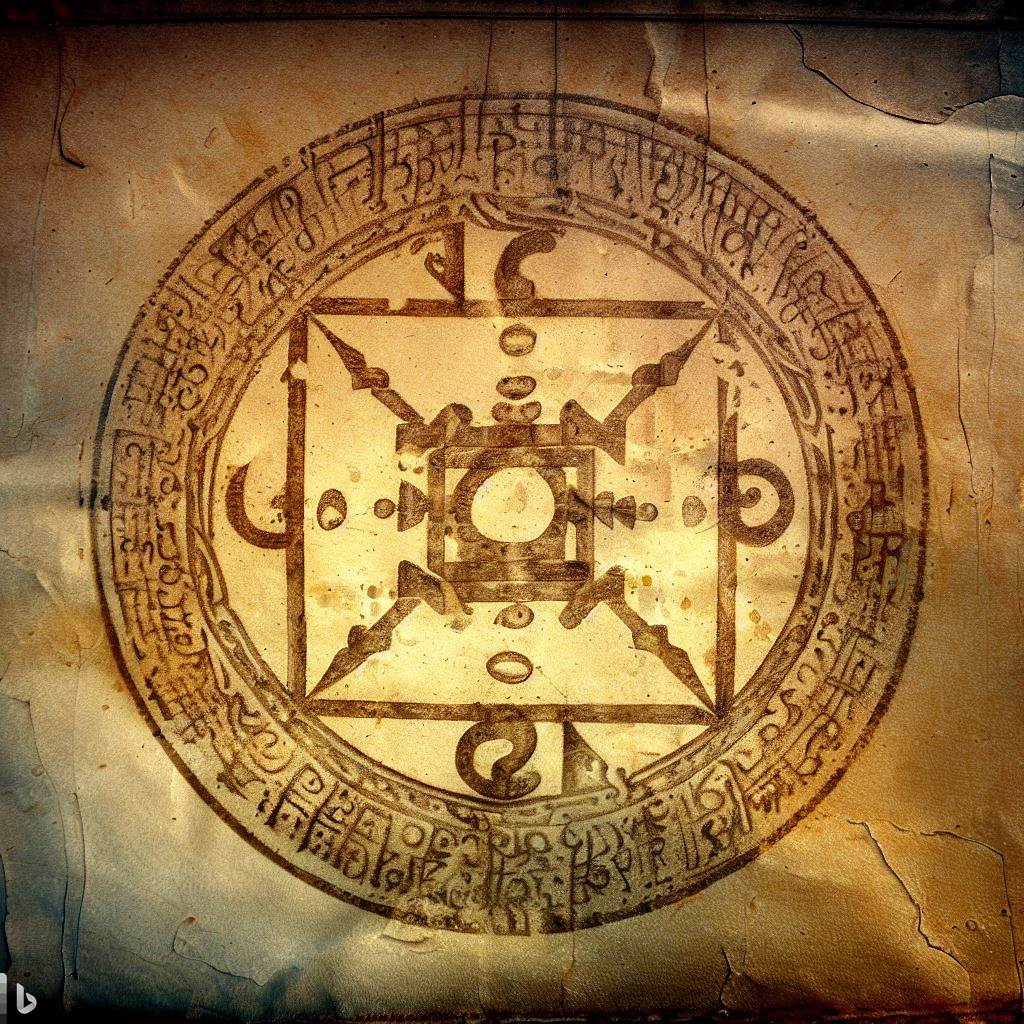
Yantras as Mechanical Devices: In earlier times, the term Yantra also referred to mechanical contrivances.
An 11th-century Sanskrit text on the science of architecture, Samarangana Sutradhara, details the creation and operation of such mechanical Yantras as wooden flying birds, airplanes powered by hot mercury, and robot figures.
Yantras as Spiritual Tools
Over time, the meaning of Yantras expanded to encompass religious and spiritual dimensions. Yantras became essential instruments of meditative discipline, representing abstract geometrical designs intended as 'tools' for meditation and increased awareness.
The Three Principles of Yantras
The Form Principle (Akriti-Rupa)
The form principle reflects the belief that Yantras reveal the inner basis of the forms and shapes found in the universe. Just like the atomic structure common to all matter, each aspect of the world can be seen in its structural form as a Yantra.
The Function Principle (Kriya-Rupa)
Yantras serve the function principle as symbols of spiritual truths and instructional charts of the spiritual aspect of human experience. In tradition, the simple shapes of a Yantra are held to correspond to the inner states of human consciousness.
The Power Principle (Shakti-Rupa)
The power principle is the tradition's name for what a Yantra becomes through constant ritual worship: a 'power diagram', a focus that turns an ordinary moment into a devotional one. When a Yantra reaches this stage, it is said to be 'revealed.’
The Idea of Shape Energy
Some teachers hold that different shapes have different qualities, and that Yantras are drawn with this in mind. The practice is to rest the mind on the Yantra's shape and on what it stands for.
Tradition describes the Yantra as a doorway between the person and the wider universe.
At bhagya.cards, we provide guidance and support to understand this idea through Yantras.
Yantras and Mandalas
A unique form of Yantra, known as the Sri Yantra, is a mandala with intricate geometric patterns. It serves as a symbolic representation of the universe's creative forces. In tradition, resting the gaze on these visual patterns is likened to the steadying and calming practice of reciting primordial sounds, or mantras.
The Practical Applications of Yantras
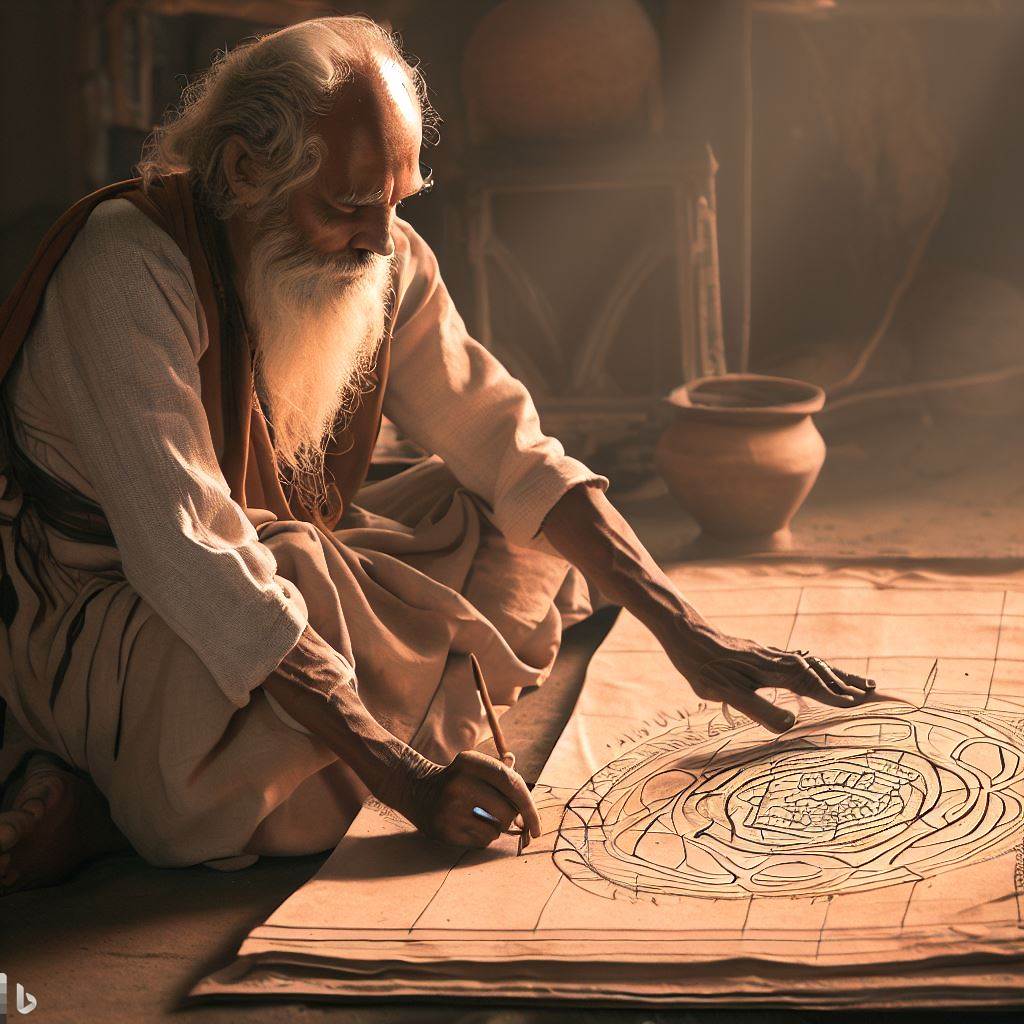
Tradition keeps Yantras for many purposes, from honouring the nine planets to prayers for prosperity, love and peace. They are kept by students, by people starting a career or a project, and by those running a business. They do not replace effort or professional advice.
At bhagya.cards, we know the many traditional uses of Yantras and guide you to the one that suits your own intention.
In the spiritual context, Lord Shiva is believed to have explained the significance of the Yantra to his consort, Goddess Parvati, stating that
"The Yantra is as essential to a god as oil is to the oil lamp or as a body is to a living human being."
In conclusion,
Yantras are sacred diagrams, used in tradition as a support for spiritual practice. By understanding their symbolism and correct usage, we can use them as tradition intended.
Yantras are more than just geometric designs
they symbolize the divine, and they keep it in our attention
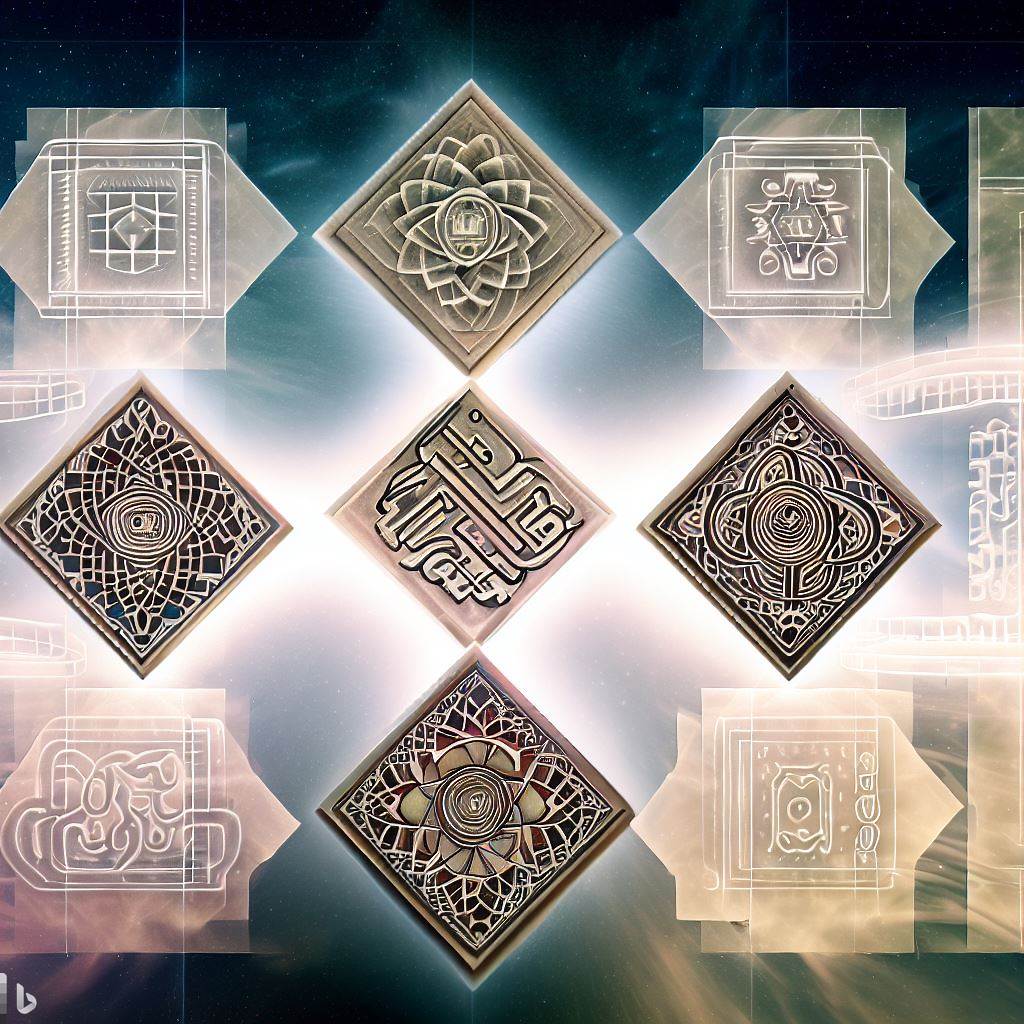
With the support and guidance provided at bhagya.cards, you can better understand Yantras and make them a part of your spiritual practice. In their essence, Yantras are aids to devotion that turn our attention to the divine.
Understanding their symbolism and using it correctly is the heart of the practice. Prosperity, love, peace and protection are among the prayers that tradition associates with Yantras, and a Yantra is a symbol of that prayer. They are geometric designs and also symbolic representations of the divine, kept to deepen devotion.
At bhagya.cards, we are dedicated to providing clear knowledge and guidance on the role of Yantras in tradition. We can help you understand these symbols better, and choose the one that fits your own intention.
We respect the long-held belief that these sacred diagrams support spiritual growth and devotion. Yantras, with their profound spiritual significance, serve as a tool for contemplation, concentration and meditation.
We, at bhagya.cards, are here to help you understand the world of Yantras and the divine forms they represent. With our guidance, you can make Yantras a part of your spiritual practice and your day-to-day life. In conclusion, Yantras are a rich tradition, kept by families for personal devotion and spiritual practice, and their significance comes from faith, not from a promise of results.
Yantras and the divine forms they represent