Ashtalakshmi represents a divine group of eight forms of Shri-Lakshmi, the goddess of wealth and prosperity. In tradition, each form of Ashtalakshmi presides over a specific kind of wealth, including prosperity, knowledge, strength, progeny and power. In this blog, we will explore the significance of each form and the blessings devotees pray to it for.
The Ashtalakshmi comprises eight unique forms of Devi Mahalakshmi, each representing a distinct aspect of abundance and prosperity. Let us look at the details of these divine forms:

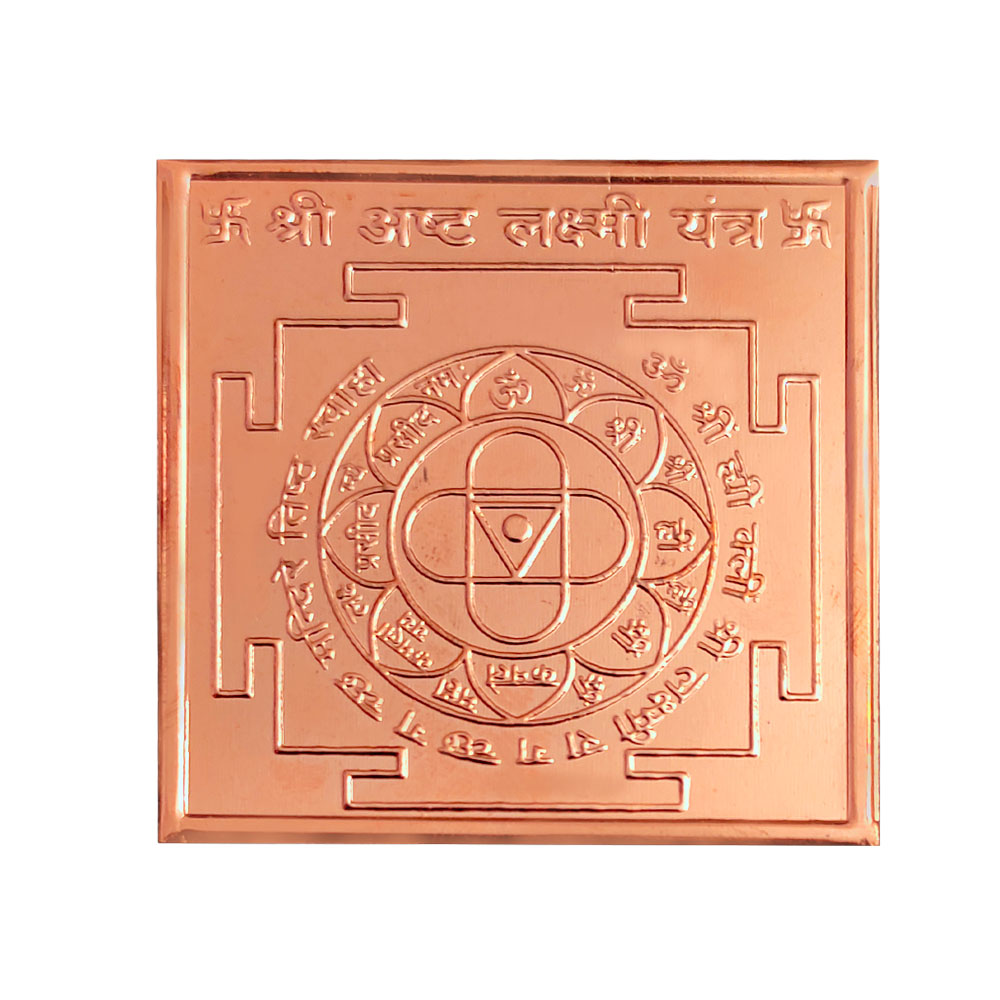
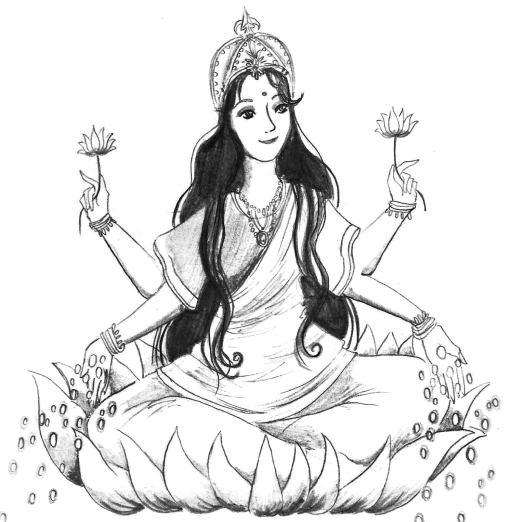
Adi Lakshmi
Adi Lakshmi is the incarnation of Goddess Lakshmi as the daughter of the sage Bhrigu. She represents the wealth of heritage, culture, and wisdom that is passed down through generations. Devotees pray to Adi Lakshmi for ancestral knowledge and for wisdom in life's challenges. Invoking Adi Lakshmi is a way of honouring wisdom and cultural heritage.
Dhana Lakshmi
In tradition, Dhan laxmi is the bestower of financial prosperity and abundance. Devotees pray to her for wealth, success and material possessions, including money and gold. Dhana Lakshmi is worshipped by those who pray for financial stability and growth. Tradition sees in her blessing the resources for a comfortable and prosperous life.
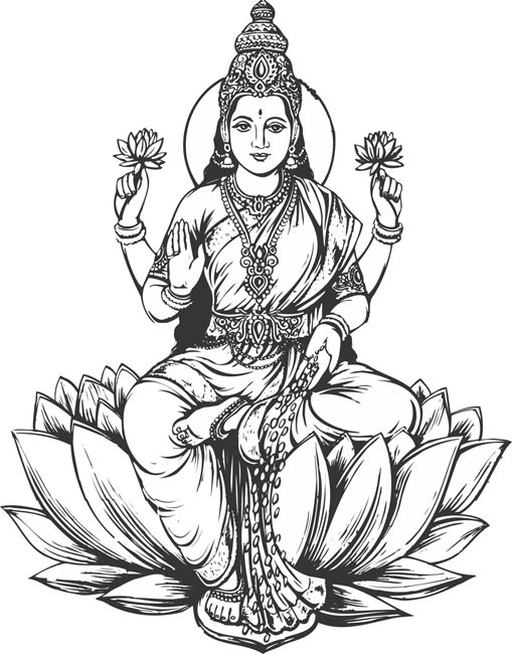
Dhanya Lakshmi
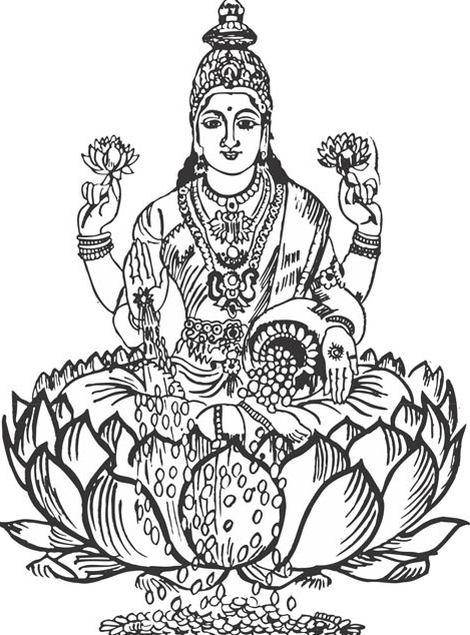
In tradition, Dhanya Lakshmi is the giver of agricultural wealth and fertility. She is associated with bountiful harvests and nourishment for all living beings. Farmers and others who work the land seek the blessings of Dhanya Lakshmi as they pray for good crops and fertile land. Tradition sees in her the blessings of nature and sustenance for all.
Gaja Lakshmi
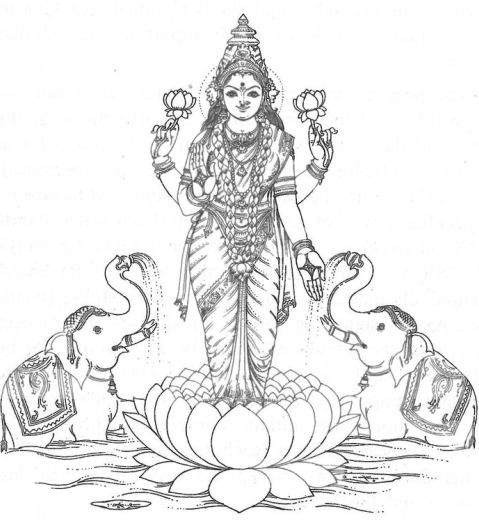
In tradition, Gaja Lakshmi is the provider of animal wealth, symbolizing abundance in the form of cattle and elephants. She also represents royalty and power. Legend has it that Gaja Lakshmi retrieved the lost wealth of Indra, the king of the devas, from the ocean. Gaja Lakshmi is invoked by those who pray for prosperity and for the ability to lead with authority. Tradition associates her with abundance and regality.
Santana Lakshmi
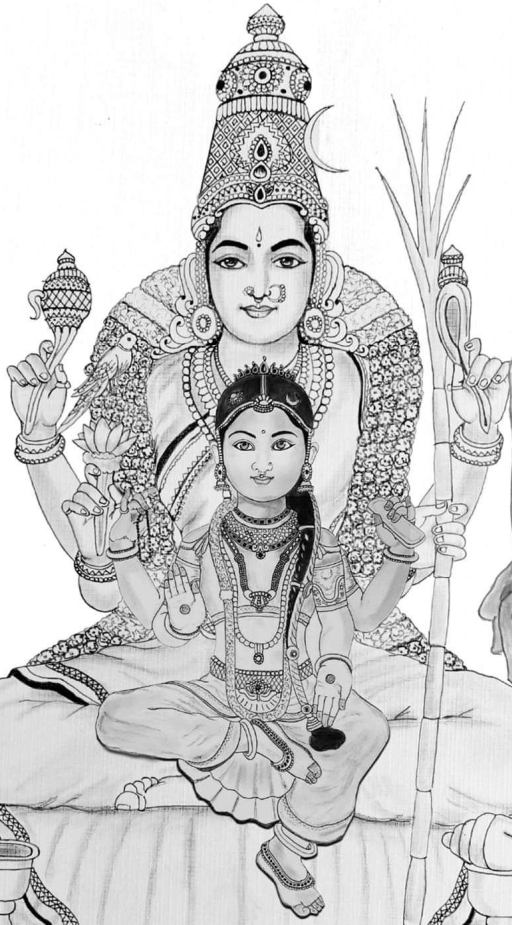
In tradition, Santana Lakshmi is the bestower of offspring and the blessings of a happy and prosperous family life. Families pray to her for children and for the continuity of their lineage. By seeking the blessings of Santana Lakshmi, couples aspiring for children can experience the joy of parenthood and the fulfillment of their desire for a happy and prosperous family. Tradition associates her with a harmonious and blissful family life.
Veera Lakshmi
Veera Lakshmi is the embodiment of courage, strength, and valor. Devotees pray to her for strength in obstacles, battles and challenges. Veera Lakshmi is invoked by those who seek inner strength and courage in adversity. Her blessings instill a sense of fearlessness and resilience in the hearts of her devotees.
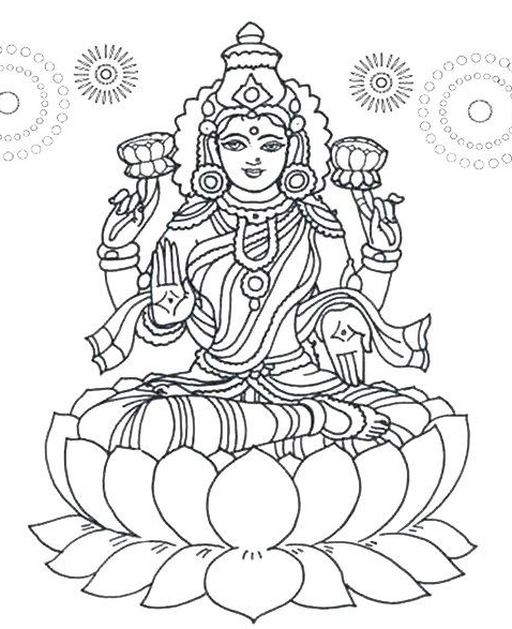
Vijaya Lakshmi
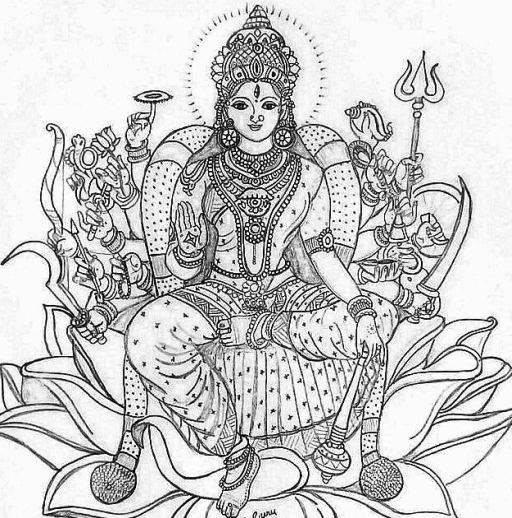
In tradition, Vijaya Lakshmi is the giver of victory in battles and success in endeavors. She is associated with perseverance, determination and resilience. People seek the blessings of Vijaya Lakshmi for their endeavors, in academics, career or personal goals. Tradition associates her with victory and accomplishment.
Vidya Lakshmi